Imagine an internet where you control your data, transactions are transparent, and middlemen are a thing of the past. This isn’t a distant dream—it’s the promise of Web3, a transformative shift in how we build and interact with the digital world. Web3, often dubbed the “decentralized internet,” is reshaping web development by prioritizing user sovereignty, security, and innovation. But what exactly is Web3, and how does it impact decentralized web development? In this article, we’ll dive deep into the role of Web3, exploring its core principles, technologies, and practical implications for developers and users alike. Whether you’re a seasoned coder or a curious enthusiast, this guide will equip you with everything you need to understand Web3’s revolutionary potential.
What Is Web3 and Why Does It Matter?
Defining Web3
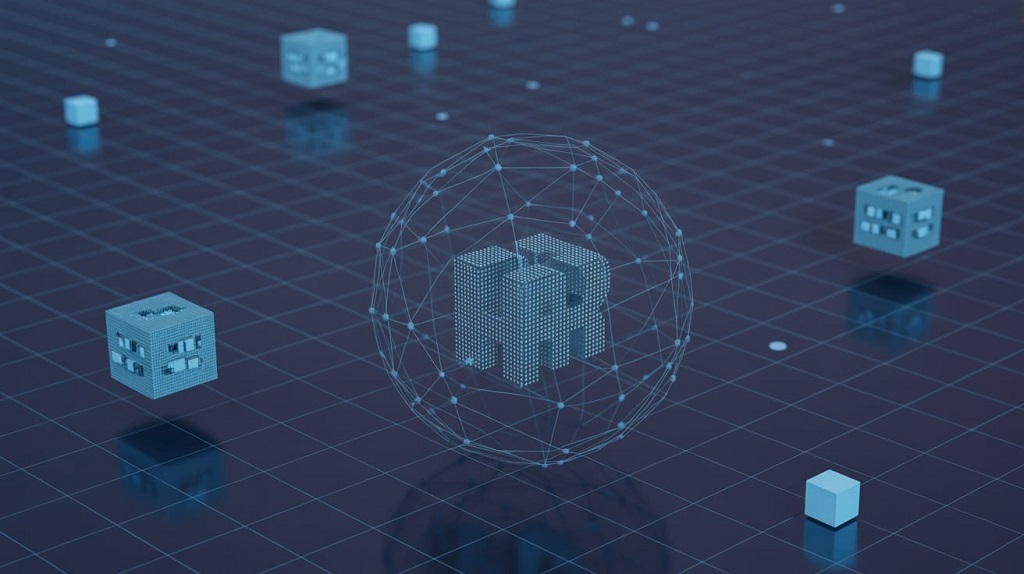
Web3 represents the next evolution of the internet, moving away from the centralized control of Web2 (think social media giants and cloud-based platforms) to a decentralized, user-centric model. Built on blockchain technology, Web3 leverages distributed ledgers, smart contracts, and cryptographic protocols to create a more transparent, secure, and equitable digital ecosystem.
Unlike Web2, where companies like Google or Meta control user data, Web3 empowers individuals to own their digital assets, identities, and interactions. This paradigm shift is driving a new era of web development focused on decentralization, interoperability, and trustlessness.
The Evolution from Web1 to Web3
To understand Web3’s significance, let’s briefly trace the internet’s evolution:
- Web1 (1990s–2000s): The “read-only” web, where static websites delivered information with minimal user interaction.
- Web2 (2000s–present): The “read-write” web, characterized by dynamic, user-generated content and centralized platforms like Facebook and YouTube.
- Web3 (emerging): The “read-write-own” web, where users control their data and interact directly with decentralized applications (dApps) via blockchain.
This progression highlights Web3’s focus on user empowerment, making it a game-changer for developers building the next generation of web applications.
Core Technologies Powering Web3 Development
Blockchain: The Foundation of Decentralization
At the heart of Web3 lies blockchain technology—a distributed ledger that records transactions transparently and immutably. Blockchains like Ethereum, Solana, and Polkadot enable developers to build dApps that operate without a central authority. Key features include:
- Transparency: All transactions are publicly verifiable.
- Security: Cryptographic encryption ensures data integrity.
- Immutability: Once recorded, data cannot be altered, fostering trust.
For developers, blockchain means coding smart contracts—self-executing agreements that automate processes like payments or data transfers without intermediaries.
Smart Contracts: Automating Trust
Smart contracts are programmable scripts running on blockchains that execute predefined actions when conditions are met. For example, a smart contract could automatically release funds to a freelancer once a project is approved. In Web3 development, smart contracts are written in languages like Solidity (for Ethereum) and are critical for creating secure, trustless applications.
Decentralized Storage Solutions
Unlike Web2, where data is stored on centralized servers (e.g., AWS), Web3 uses decentralized storage networks like IPFS (InterPlanetary File System) or Filecoin. These systems distribute data across multiple nodes, enhancing security and reducing reliance on single points of failure. Developers must integrate these solutions to ensure dApps remain resilient and scalable.
Cryptographic Identity and Wallets
Web3 replaces traditional logins with cryptographic identities tied to digital wallets (e.g., MetaMask). These wallets allow users to authenticate, sign transactions, and manage digital assets like cryptocurrencies or NFTs. For developers, integrating wallet functionality is a core aspect of Web3 app development.
How Web3 Impacts Decentralized Web Development
Shift to User-Centric Design
Web3 development prioritizes user control, requiring developers to rethink traditional app architectures. Instead of relying on centralized servers, developers build dApps that interact directly with blockchains and decentralized networks. This shift demands expertise in:
- Blockchain APIs: Tools like Web3.js or Ethers.js for interacting with Ethereum-based networks.
- Frontend Integration: Frameworks like React or Vue.js to create user-friendly interfaces for dApps.
- Security Practices: Ensuring smart contracts are audited to prevent vulnerabilities like reentrancy attacks.
Interoperability and Cross-Chain Development
Web3’s ecosystem is fragmented, with multiple blockchains (e.g., Ethereum, Binance Smart Chain) operating independently. To address this, developers are increasingly focused on interoperability protocols like Polkadot or Cosmos, which enable dApps to work across different chains. This trend is shaping a more connected and versatile decentralized web.
Tokenization and Incentive Models
Web3 introduces tokenization, where digital assets (e.g., tokens or NFTs) represent value or ownership. Developers can integrate token-based economies into dApps, rewarding users for participation or governance. For instance, a decentralized social platform might reward content creators with tokens, incentivizing engagement without relying on ad revenue.
Challenges in Web3 Development
While Web3 offers immense potential, it also presents unique challenges:
- Scalability: High transaction fees (e.g., Ethereum’s gas fees) can deter users.
- Complexity: Writing secure smart contracts requires specialized knowledge.
- User Experience: Wallet integrations and blockchain interactions can be unintuitive for non-technical users.
Despite these hurdles, ongoing advancements like Layer 2 solutions (e.g., Optimism) and user-friendly wallet designs are addressing these pain points.
Real-World Applications of Web3 in Web Development
Decentralized Finance (DeFi)
DeFi platforms like Uniswap or Aave use Web3 principles to offer financial services without intermediaries. Developers build these platforms using smart contracts to facilitate lending, borrowing, or trading, showcasing Web3’s ability to disrupt traditional industries.
Non-Fungible Tokens (NFTs)
NFTs have exploded in popularity, enabling digital ownership of art, collectibles, and virtual assets. Web3 developers create marketplaces (e.g., OpenSea) where users can mint, buy, or sell NFTs, leveraging blockchain for authenticity and provenance.
Decentralized Social Networks
Web3 is fostering alternatives to centralized social media. Platforms like Lens Protocol allow users to own their content and social graphs, giving developers new opportunities to build privacy-focused, community-driven applications.
Gaming and the Metaverse
Web3 is revolutionizing gaming through play-to-earn models and virtual worlds. Games like Axie Infinity use NFTs and tokens to create player-owned economies, while metaverse projects like Decentraland rely on Web3 for decentralized land ownership and governance.
SEO Benefits of Web3 for Developers and Businesses
For businesses and developers, embracing Web3 can enhance SEO in several ways:
- Unique Content Opportunities: Creating educational content about Web3, dApps, or blockchain can attract niche audiences searching for terms like “decentralized web development” or “Web3 tutorial.”
- Low Competition Keywords: Web3 is still emerging, so targeting long-tail keywords like “how to build a Web3 dApp” can drive organic traffic.
- Community Engagement: Web3’s emphasis on community-driven platforms encourages user-generated content, which can boost dwell time and reduce bounce rates—key SEO metrics.
To optimize for SEO, developers should focus on creating high-quality, user-focused content that answers common queries, incorporates LSI keywords (e.g., blockchain development, smart contract coding), and includes internal links to related resources.
Getting Started with Web3 Development
Essential Tools and Frameworks
To dive into Web3 development, you’ll need:
- Development Environments: Truffle or Hardhat for smart contract development.
- Blockchain Networks: Testnets like Ropsten or Sepolia for experimenting without real funds.
- Frontend Tools: Web3.js or Ethers.js for blockchain interactions, paired with React for UI.
- Storage Solutions: IPFS for decentralized file hosting.
Learning Resources
- Online Courses: Platforms like Coursera or Udemy offer Web3 and blockchain development courses.
- Communities: Join Discord or Reddit groups like r/ethereum for peer support.
- Documentation: Ethereum’s official docs or Web3.py guides are invaluable for beginners.
Best Practices
- Audit Smart Contracts: Use tools like Mythril to identify vulnerabilities.
- Optimize Gas Fees: Write efficient code to minimize transaction costs.
- Prioritize UX: Simplify wallet interactions to enhance user adoption.
Read More Also: 11 Unknown Apps to Extend Your Phone’s Lifespan
Conclusion: Embrace the Future of Web Development
Web3 is more than a buzzword—it’s a transformative force redefining how we build and interact with the internet. By leveraging blockchain, smart contracts, and decentralized storage, developers can create applications that prioritize user control, security, and innovation. While challenges like scalability and complexity remain, the potential for Web3 to disrupt industries like finance, gaming, and social media is undeniable. Whether you’re a developer looking to upskill or a business exploring new opportunities, now is the time to dive into Web3.
Call to Action: Ready to explore Web3 development? Start by experimenting with a testnet like Sepolia, join a Web3 community on platforms like Discord, or check out resources on Ethereum.org. Share your thoughts or questions in the comments below, and let’s build the decentralized future together!
Read More Also: Master Split Screen on Windows 10
Frequently Asked Questions (FAQs)
What is the difference between Web2 and Web3?
Web2 relies on centralized servers and platforms, where companies control user data. Web3 uses blockchain and decentralized networks, giving users ownership of their data and interactions.
Do I need to know blockchain to start Web3 development?
While blockchain knowledge is helpful, you can start with basic JavaScript and learn Web3-specific tools like Web3.js or Solidity as you progress.
What are some popular Web3 programming languages?
Solidity is widely used for smart contracts, while JavaScript (with Web3.js or Ethers.js) is common for frontend integration. Rust and Go are also gaining traction for certain blockchains.
Is Web3 development expensive?
Developing on testnets is free, but deploying on mainnets like Ethereum can incur gas fees. Layer 2 solutions and sidechains can reduce costs.
How can Web3 improve user privacy?
Web3 uses cryptographic identities and decentralized storage, ensuring users control their data without relying on centralized entities prone to breaches.