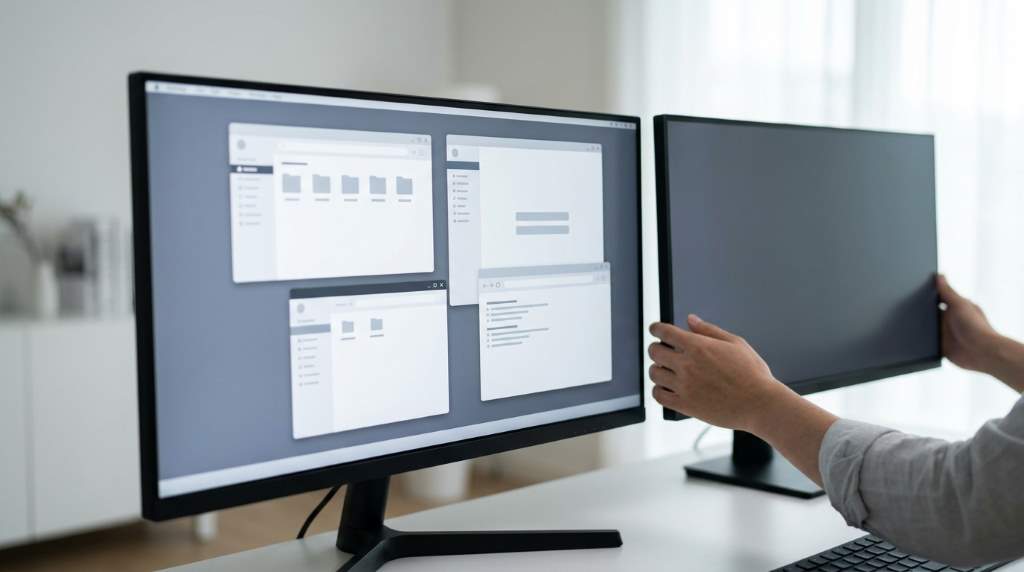
Modern computer users often switch between work, meetings, creative software, and entertainment throughout the day. Studies show that professionals frequently use more than eight applications during a typical work session, while memory intensive software continues growing every year. Therefore, learning how to improve PC Multitasking in New York helps boost productivity without unnecessary frustration. Many users also benefit from upgrading to a high performance desktop processor because stronger processing power supports smoother multitasking across demanding applications.
Understand What Slows Down PC Multitasking
Many performance issues begin when several demanding programs compete for the same system resources. As a result, applications respond slowly and switching between tasks becomes frustrating.
Windows regularly manages processor time, memory usage, storage access, and graphics resources simultaneously. Furthermore, understanding these limits helps you identify practical solutions before purchasing expensive upgrades.
Monitoring daily computer activity also reveals hidden performance bottlenecks. Meanwhile, learning how to track media trends online demonstrates how resource monitoring improves overall digital efficiency.
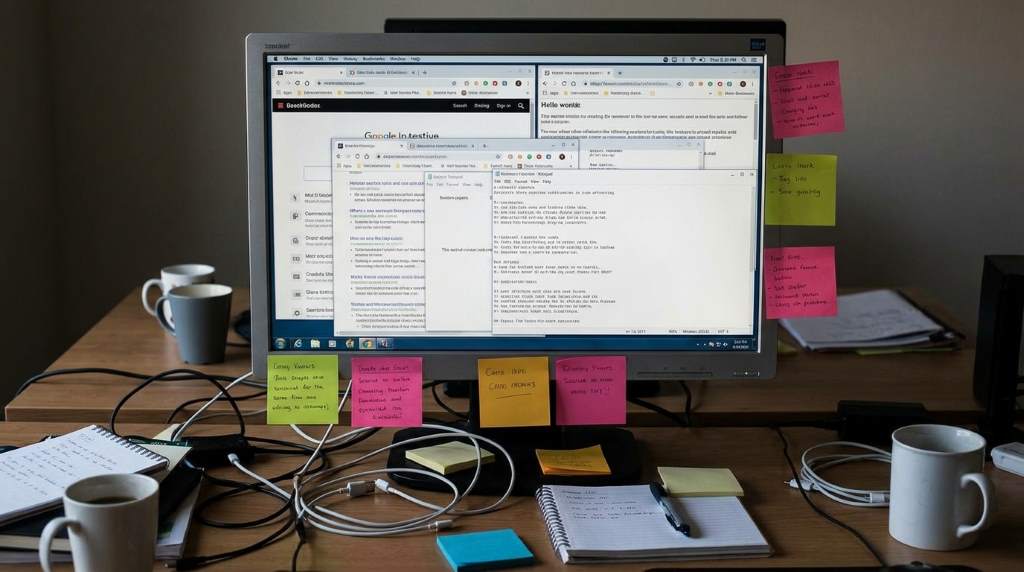
Common Causes of Slow Multitasking
- Limited system memory
- Outdated storage drives
- Too many startup programs
- Background software consuming resources
- Old hardware drivers
- Insufficient processor performance
Optimize Windows Settings for Better Performance
Several built in Windows settings directly affect multitasking performance every day. Therefore, adjusting them carefully creates noticeable improvements without additional spending.
Disable unnecessary startup applications because they consume valuable memory before your work even begins. Additionally, keeping only essential services active frees resources for demanding software.
Visual effects also require processor and graphics resources throughout daily use. Consequently, selecting performance focused settings often produces faster window switching and smoother navigation.
Useful Performance Adjustments
- Disable unnecessary startup apps
- Enable Storage Sense
- Use High Performance power mode when available
- Keep Windows updated
- Restart the computer regularly
- Remove unused software
Upgrade Hardware for Faster Multitasking
Hardware improvements usually deliver the biggest long term performance gains. Fortunately, many upgrades remain affordable compared with replacing an entire computer.
Installing additional RAM helps systems manage many open applications without constant storage access. Likewise, replacing traditional hard drives with SSD storage dramatically reduces loading times.
Users interested in stronger hardware should understand ShareMe for PC compatibility alongside software requirements because optimized applications maximize hardware investments.
Priority Hardware Upgrades
- Increase RAM capacity
- Install an SSD
- Upgrade the processor
- Improve system cooling
- Replace aging power supplies when necessary
Manage Applications More Efficiently
Running every available application simultaneously reduces available computing resources. Instead, open only programs needed for your current workflow.
Browser tabs frequently consume surprising amounts of memory during extended sessions. Therefore, closing inactive tabs immediately helps maintain consistent responsiveness.
Understanding building a gaming PC also explains why balanced hardware improves multitasking performance beyond gaming alone.
Smarter Daily Habits
- Group similar tasks together
- Close unused browser tabs
- Avoid duplicate software running together
- Use virtual desktops
- Organize application windows
Keep Drivers and Software Updated
Updated software frequently includes important performance improvements and stability fixes. Consequently, regular updates reduce crashes while improving multitasking reliability.
Graphics drivers, storage drivers, and chipset software deserve special attention because they directly influence system responsiveness. Moreover, manufacturers regularly optimize resource management through updated releases.
Reliable security software also protects system performance by preventing malware from consuming valuable computing resources. As a result, healthy systems maintain smoother multitasking throughout busy workdays.
Control Background Resource Usage
Many hidden applications continue working even after users stop interacting with them. Therefore, checking Task Manager regularly reveals unnecessary resource consumption.
Cloud synchronization tools, automatic updates, and messaging applications often operate quietly in the background. Nevertheless, adjusting their schedules reduces interruptions during demanding workloads.
Browser extensions also deserve regular reviews because unnecessary extensions increase memory consumption significantly. Accordingly, removing unused extensions creates a faster browsing experience.
Improve Cooling for Stable Performance
Heat reduces processor efficiency during long multitasking sessions. Consequently, maintaining proper cooling helps sustain consistent performance under heavy workloads.
Dust buildup blocks airflow inside desktop computers over time. Therefore, cleaning fans and vents regularly supports healthier temperatures and quieter operation.
Laptop users should also avoid blocking ventilation openings during extended work sessions. Meanwhile, cooling pads provide additional airflow when workloads remain consistently demanding.
Create an Efficient Workspace
Hardware improvements work best alongside organized digital habits and productive workspaces. Likewise, reducing distractions helps users switch between tasks more efficiently.
Multiple monitors often improve workflow because information remains visible without constant window switching. Furthermore, keyboard shortcuts reduce repetitive mouse movements throughout busy schedules.
Regular file organization also shortens search time during demanding projects. As a result, overall productivity improves without additional software investments.
Conclusion
Improving PC multitasking requires a balanced approach that combines hardware upgrades, smarter software management, and efficient daily habits. Fortunately, even small adjustments create noticeable performance improvements over time.
Start with simple optimization steps before investing in new hardware. Then continue monitoring system performance regularly to maintain fast, reliable multitasking throughout every workday.
Frequently Asked Questions
How much RAM is recommended for multitasking?
At least 16 GB of RAM provides smooth multitasking for most everyday users.
Does an SSD improve multitasking?
Yes, an SSD significantly speeds application loading and reduces system delays.
Should I disable startup programs?
Yes, disabling unnecessary startup programs frees system resources immediately.
How often should I update Windows?
Install updates regularly to receive security fixes and performance improvements.
Can overheating reduce multitasking performance?
Yes, excessive heat causes processors to slow down and reduces overall responsiveness.