
Imagine turning your creative passion into a steady income stream without quitting your day job. Creators often struggle with inconsistent earnings from ads or sponsorships. However, micro-SaaS offers a fresh path. This model involves small software tools that solve specific problems for niche audiences. You build them once and earn recurring revenue. According to a 2023 report from the U.S. Small Business Administration, software startups grew by 15% annually, with many succeeding in targeted markets. Moreover, Harvard Business Review notes that niche products boost customer loyalty by 20%. Creators can use their expertise to craft these tools. This article explores idea prompts to spark your next venture. Get ready to transform ideas into profitable realities.
What Is Micro-SaaS?
Micro-SaaS stands for micro Software as a Service. It refers to compact online tools that address narrow needs. Unlike big platforms like Salesforce, these products stay simple and affordable. Users pay monthly subscriptions for access. For example, a tool might help podcasters edit episodes quickly.
Creators love this approach because it fits their skills. You already know your audience’s pain points from daily work. Building micro-SaaS lets you monetize that knowledge. Plus, development costs remain low with no-code tools like Bubble or Adalo. As a result, you launch faster and iterate based on feedback.
This model thrives on automation. Once set up, the software runs itself. You focus on marketing and updates. Consequently, it provides passive income. Many creators start with side projects that grow into full businesses. Therefore, micro-SaaS bridges creativity and entrepreneurship seamlessly.
Why Creators Should Dive into Micro-SaaS
Creators face unpredictable income. Platforms change algorithms overnight, slashing views. However, micro-SaaS offers stability. You own the product and customer relationships. No middleman takes a cut.
Your unique perspective gives an edge. As a creator, you spot gaps in tools others miss. For instance, video editors might need better thumbnail generators. Thus, your ideas resonate deeply with peers.
Moreover, building these tools enhances your brand. It positions you as an expert. Fans trust your recommendations more. In turn, this boosts engagement across channels.
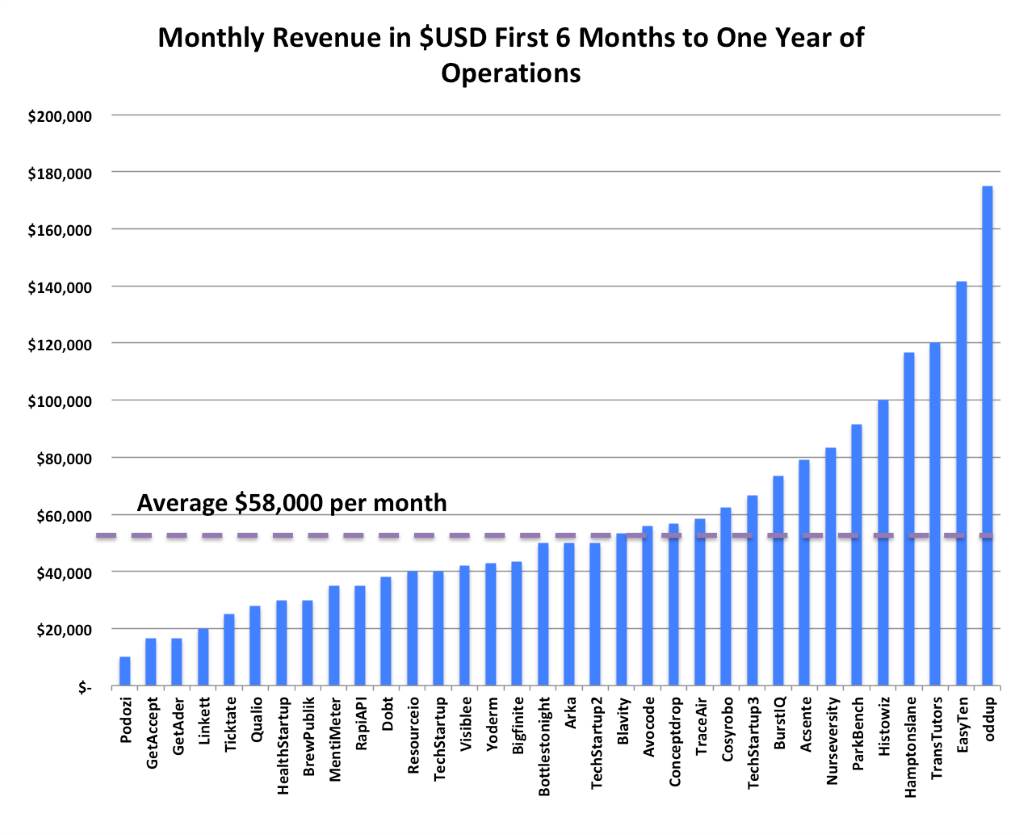
Financially, the potential shines. Successful micro-SaaS products earn thousands monthly. Case studies show solo founders hitting $10,000 in revenue within a year. Therefore, it diversifies your earnings beyond content.
Additionally, the barrier to entry drops daily. Free resources teach coding basics. Communities like Indie Hackers share success stories. So, even beginners can start.
Finally, it fuels creativity. Solving problems through software feels rewarding. You experiment and learn constantly. As such, micro-SaaS enriches your creator journey.
Brainstorming Micro-SaaS Ideas: Key Prompts
Ideas spark from everyday frustrations. Use prompts to generate concepts. First, identify your niche. Then, think about tools that save time or money.
Prompts guide structured thinking. They prevent scattered brainstorming. Consequently, you uncover viable options quickly.
Start with questions like: What annoys me daily? Or, what do my followers complain about? Answers reveal opportunities.
Moreover, consider trends. AI integration grows popular. So, prompts involving automation stand out.
Group ideas by category. This organizes thoughts effectively. As a result, you prioritize the best ones.
Content Creation Tools Prompts
Creators produce endlessly. Tools that streamline workflows sell well. For example, prompt: Build a app that auto-generates captions for social media posts.
Another idea: Create a scheduler for multi-platform posting. It syncs Instagram, TikTok, and YouTube. Users save hours weekly.
Additionally, think about analytics. Prompt: Develop a dashboard tracking engagement across channels. It highlights top-performing content types.
Video editors need help too. So, prompt: Design a clip extractor that pulls highlights from long footage using AI.
Writers benefit from idea generators. Prompt: Make a tool suggesting blog topics based on keywords and trends.
Photographers could use editing presets. However, go beyond: Prompt: Build a marketplace for custom filters shared among users.
These prompts target pain points. They ensure relevance. Therefore, adoption rates climb.
Community Management Prompts
Building audiences takes effort. Tools that nurture communities thrive. Prompt: Create a member directory for Discord servers with search filters.
Engagement drops without reminders. So, prompt: Develop an auto-notifier for live streams or events.
Moderation challenges grow with size. Prompt: Build AI-powered spam detectors tailored for creative groups.
Feedback collection matters. Prompt: Design a survey tool that integrates with newsletters for instant polls.
Monetization ideas help too. Prompt: Make a tiered access system for exclusive content in communities.
Networking connects creators. Thus, prompt: Create a matchmaking app for collaborations based on niches.
These ideas foster loyalty. Users stick around longer. As such, your tool becomes indispensable.
Productivity and Workflow Prompts
Time management plagues creators. Prompts here focus on efficiency. For instance: Build a task tracker that links to content calendars.
Distractions kill focus. Prompt: Develop a blocker app customized for creative apps like Photoshop.
Inspiration strikes randomly. So, prompt: Create a voice-to-text note taker with tagging for ideas.
Collaboration tools evolve. Prompt: Make a shared mood board for teams with real-time updates.
Asset organization helps. Prompt: Design a digital asset manager sorting files by project.
Burnout looms large. Therefore, prompt: Build a wellness tracker reminding users to break and hydrate.
These prompts enhance daily routines. They turn chaos into order. Consequently, creators produce more.
Monetization and Business Prompts
Earning from creativity varies. Tools that optimize revenue appeal. Prompt: Create an invoice generator for freelancers with templates.
Affiliate tracking confuses many. So, prompt: Build a link manager that monitors clicks and conversions.
Pricing strategies matter. Prompt: Develop a calculator suggesting optimal rates based on market data.
Merch sales boost income. Prompt: Make a design tool for custom products integrated with print-on-demand.
Subscription management simplifies. Thus, prompt: Create a churn predictor analyzing user behavior.
Tax tracking overwhelms. Prompt: Build a expense logger with categorization for deductions.
These ideas handle business sides. They free creators for art. As a result, profits rise steadily.
Niche-Specific Prompts for Various Creators
Different creators need tailored tools. Podcasters: Prompt: Build an episode transcriber with SEO keyword highlights.
Bloggers: Prompt: Create a plagiarism checker with rewrite suggestions.
Artists: So, prompt: Develop a color palette generator from uploaded images.
Musicians: Prompt: Make a chord progression builder with export to DAWs.
Influencers: Prompt: Design a brand deal tracker organizing pitches and contracts.
Educators: Thus, prompt: Build a quiz creator with analytics on student performance.
These prompts adapt to fields. They ensure specificity. Therefore, tools solve real issues.
Related:
The 12 best travel apps that cannot be missing on your mobile
Importance of technology for foreign trade
Validating Your Micro-SaaS Idea
Great ideas need testing. Start with surveys. Ask your audience about problems. Tools like Google Forms work well.
Next, build a landing page. Describe the product. Collect emails for interest.
Moreover, run ads. Target similar creators. Measure click-through rates.
Talk to potential users. Interviews reveal insights. Adjust based on feedback.
Competitor analysis helps. See what’s missing in existing tools. Fill those gaps.
Finally, create a MVP. Minimum viable product tests core features. Launch small and iterate.
Validation saves time. It confirms demand. As such, you avoid flops.
Building Your Micro-SaaS: Step-by-Step Guide
Choose a tech stack. No-code options suit beginners. Platforms like Webflow handle fronts.
For backend, use Airtable or Firebase. They manage data easily.
Design user-friendly interfaces. Focus on simplicity. Users hate complexity.
Integrate payments. Stripe processes subscriptions securely.
Test thoroughly. Fix bugs before launch. Beta users provide honest input.
Document everything. Tutorials guide new users.
Building takes patience. Start small. Scale as you learn.
Launching and Marketing Strategies
Launch day excites. Announce on your channels. Share the story behind it.
Leverage email lists. Send teasers to subscribers.
Collaborate with influencers. They promote to wider audiences.
Use SEO. Optimize your site with keywords like “creator tools.”
Social proof builds trust. Collect testimonials early.
Content marketing works. Write blogs about your journey.
Paid ads target niches. Facebook and Google offer precision.
Track metrics. Adjust strategies based on data.
Marketing evolves. Stay adaptable. Success follows persistence.
Scaling Your Micro-SaaS Business
Growth brings challenges. Automate support with chatbots.
Hire help when needed. Virtual assistants handle tasks.
Expand features. Listen to user requests.
Enter new markets. Translate for global reach.
Partnerships amplify. Team up with complementary tools.
Monitor finances. Reinvest profits wisely.
Scaling requires vision. Plan long-term goals.
Common Pitfalls and How to Avoid Them
Overcomplicating features hurts. Stick to essentials.
Ignoring feedback stalls progress. Act on suggestions.
Poor pricing confuses. Research competitors.
Neglecting security risks trust. Use best practices.
Burnout sneaks in. Set boundaries.
Marketing too late delays growth. Start early.
Avoid these by planning ahead. Learn from others’ mistakes.
Real-Life Case Studies of Creator-Led Micro-SaaS
Take Carrd. A creator built simple landing pages. It now earns millions.
Notion started small. Creators use it for organization.
ConvertKit helps email marketing. Founded by a blogger.
These show potential. Solo efforts turn big.
Study their paths. Apply lessons to yours.
Future Trends in Micro-SaaS for Creators
AI dominates. Tools with smart features lead.
Integration rises. Connect with existing apps.
Mobile-first designs grow. Users demand accessibility.
Sustainability matters. Eco-friendly hosting appeals.
Community-driven development engages users.
Watch these trends. Adapt ideas accordingly.
Conclusion
Micro-SaaS empowers creators with new revenue streams. We explored prompts across niches, validation steps, and building guides. These tools solve real problems while leveraging your expertise. Start brainstorming today. Pick one idea and validate it. Build something valuable. Your audience awaits. Take action now—launch your first micro-SaaS and watch your creator business thrive.
FAQs
What Makes a Good Micro-SaaS Idea for Creators?
A strong idea solves a specific pain point. It targets your niche audience. Ensure it’s simple to build and use. Focus on recurring value for subscriptions.
How Do I Generate Micro-SaaS Prompts?
Observe daily frustrations in your work. Ask followers about needs. Use trends like AI. Brainstorm in categories like content or productivity.
Can Beginners Build Micro-SaaS Without Coding?
Yes, no-code tools exist. Platforms like Bubble or Adalo handle everything. Learn through tutorials. Start with basic features.
How Long Does It Take to Launch a Micro-SaaS?
It varies by complexity. Simple tools launch in weeks. Plan for validation and testing. Consistent effort speeds the process.
What Marketing Works Best for Micro-SaaS?
Use your existing audience first. Share on social media. Collaborate with peers. SEO and content drive organic traffic.