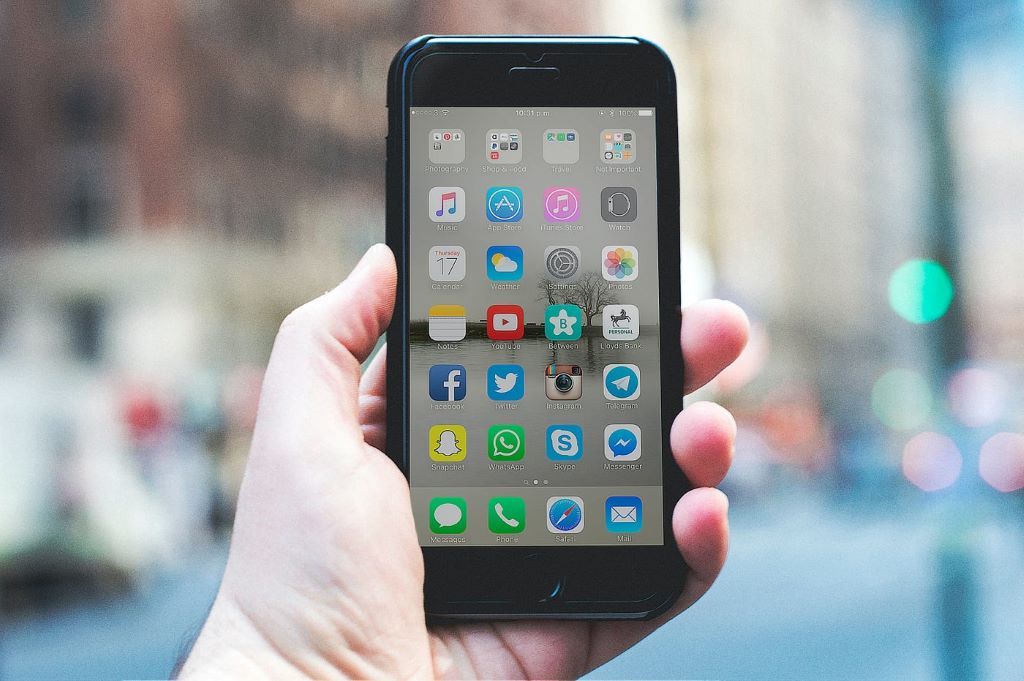
Social media has become an undeniable force in our lives. From the carefully curated squares of Instagram to the rapid-fire exchanges on Twitter, these platforms have transformed the way we connect, consume information, and even perceive ourselves. But the impact of social media on society is a double-edged sword, wielding both positive and negative consequences. Let’s delve deeper into how social media has fundamentally reshaped our social landscape.
Amplifying Connections and Communication:
One of the most significant impacts of social media is its ability to connect people across vast distances. Family and friends scattered around the globe can now stay in touch with effortless ease. Social media platforms provide avenues for fostering new relationships, building communities around shared interests, and reigniting old friendships.
Furthermore, social media has democratized communication. In the past, public discourse was largely controlled by traditional media outlets. Now, anyone with a smartphone can share their voice with a potentially global audience. This empowers individuals and marginalized groups to challenge the status quo and advocate for their causes. Social media has played a crucial role in social movements like the Arab Spring and Black Lives Matter, enabling rapid mobilization and global awareness.
The Information Age at Our Fingertips:
Social media has revolutionized access to information. News outlets, educational institutions, and even government agencies leverage these platforms to disseminate real-time updates and knowledge. This empowers individuals to stay informed about current events, engage in civic discourse, and even pursue self-directed learning. Social media can be a springboard for exploration, allowing users to delve deeper into topics that pique their interest and connect with experts in various fields.
The Cultivation of Communities:
Social media platforms foster a sense of belonging by creating online communities centered around shared interests. Whether it’s a passion for birdwatching, a love for a particular video game, or a support group for a specific health condition, social media allows people to connect with like-minded individuals. These online communities provide a platform for emotional support, shared experiences, and the exchange of valuable information.
The Flip Side of the Coin: Social Media’s Challenges
Despite its undeniable benefits, social media also presents significant challenges. One major concern is the spread of misinformation and disinformation. The ease of sharing content on social media, coupled with the prevalence of echo chambers and confirmation bias, allows false information to propagate rapidly. This can have serious consequences, from undermining public trust in institutions to fueling social unrest.
Another concern is the impact of social media on mental health, particularly among young people. Studies have shown a correlation between heavy social media use and increased anxiety, depression, and feelings of inadequacy. The curated feeds and unrealistic portrayals of life on social media can distort self-perception and create a sense of social comparison that can be detrimental to well-being.
Furthermore, social media can be a breeding ground for negativity and social conflict. The anonymity and ease of online interaction can embolden individuals to engage in cyberbullying, hate speech, and trolling. This toxic online environment can have a chilling effect on free speech and discourage constructive dialogue.
Navigating the Social Media Landscape:
With its multifaceted impact, social media necessitates a nuanced approach. Here are some tips for navigating the online world responsibly:
- Be mindful of your consumption: Set time limits for social media use and prioritize real-world interactions.
- Cultivate a critical eye: Evaluate information encountered on social media with skepticism. Check sources, consider potential biases, and diversify your newsfeeds.
- Promote positivity: Use social media to spread kindness, engage in respectful conversations, and uplift others.
- Protect your privacy: Be mindful of what information you share online and adjust your privacy settings accordingly.
The Future of Social Media: A More Balanced Approach
As social media continues to evolve, it’s crucial to foster a more balanced online environment. Social media platforms have a responsibility to curb the spread of misinformation and create mechanisms for promoting credible content. Users too, must play an active role in being responsible digital citizens. By adopting a critical and conscious approach to social media, we can harness its potential for good while mitigating its negative aspects.
Social media is here to stay, and its impact on society will only continue to grow. By acknowledging both its benefits and drawbacks, we can navigate this digital landscape more effectively, fostering a more connected, informed, and inclusive online world.