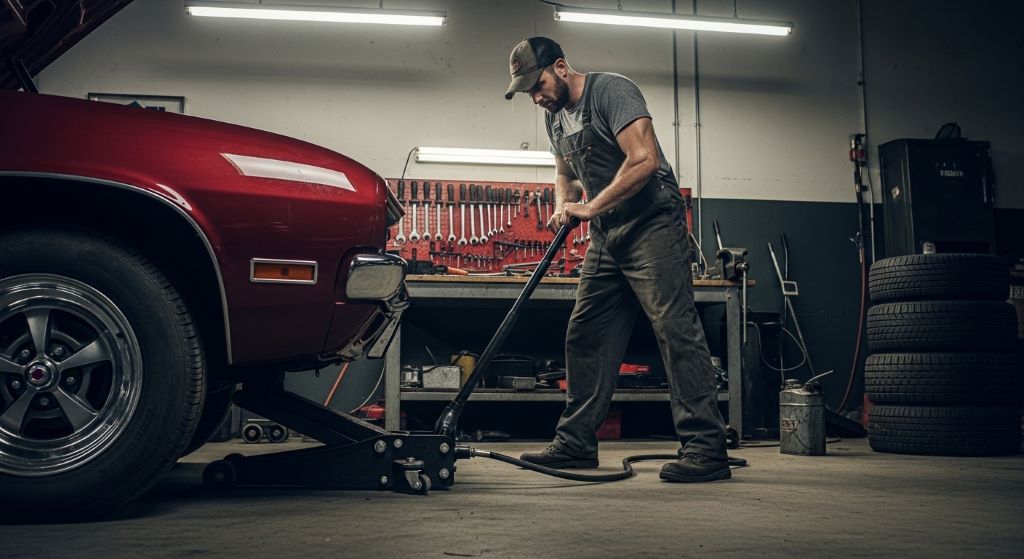
Lifting a vehicle sounds simple. However, doing it safely is a different matter. Every year, accidents happen because people use the wrong tools or skip basic safety steps. Choosing the right jack can protect both your car and your life. This guide will walk you through everything you need to know before you buy.
Why the Right Jack Matters More Than You Think
Not all jacks are created equal. Some are built for light passenger cars. Others handle heavy trucks and SUVs with ease. Using an underpowered jack puts you at risk. Additionally, using one that is poorly made can cause it to slip or fail under load.
The market in 2026 offers more choices than ever. Therefore, knowing what to look for will save you time, money, and frustration. Whether you are a weekend DIY mechanic or a professional technician, the right tool makes all the difference.
Types of Jack Tools You Should Know
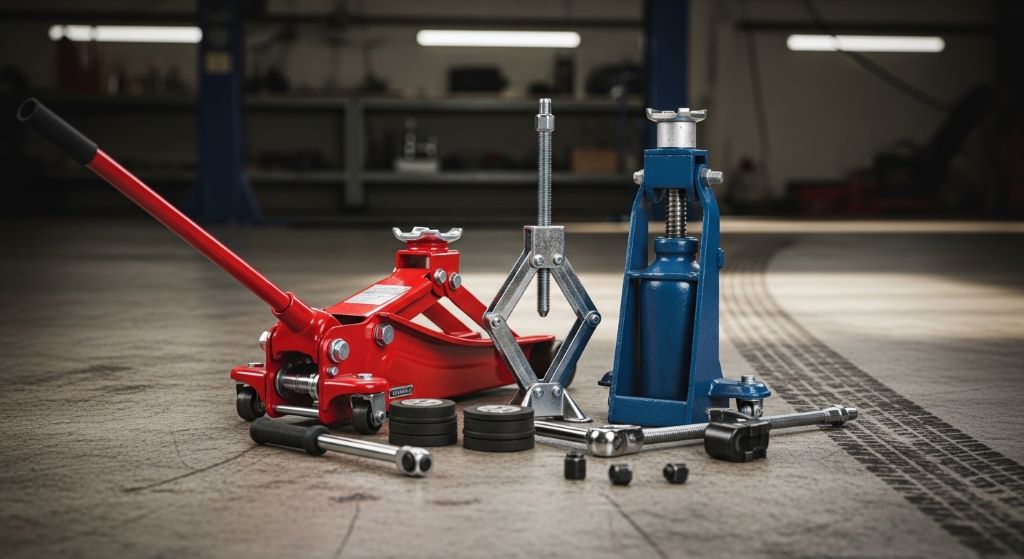
Before buying anything, it helps to understand the main categories. Each type suits a different job.
Floor Jacks
Floor jacks are the most common choice for home garages. They roll under the car and use a pump handle to lift the vehicle. Most floor jacks work well on flat, hard surfaces. They are fast and easy to use. However, they are not ideal for rough or uneven ground.
Bottle Jacks
Bottle jacks are compact and powerful. They look like a small bottle, which gives them their name. They can lift heavy loads in tight spaces. On the other hand, they have a shorter lift range than floor jacks. This makes them better for trucks and larger vehicles than for low-clearance cars.
Scissor Jacks
Most cars come with a scissor jack in the trunk. They are lightweight and easy to store. However, they are only meant for emergency roadside use. They are not safe for extended use or for working under a vehicle.
Hi-Lift Jacks
Hi-lift jacks are popular among off-road enthusiasts. They offer a very tall lift range, which is great for trucks and 4×4 vehicles. That said, they require more skill and care to operate safely.
Hydraulic Jacks
Hydraulic jacks use fluid pressure to create lifting force. They are smooth, powerful, and reliable. A proper hydraulic jack guide will tell you these are among the most trusted car lifting tools available today. They suit both professional and home use.
Key Features to Look For in 2026
Shopping for a jack involves more than just picking the cheapest option. Here are the most important features to consider.
Weight Capacity
Always check the lifting capacity before you buy. Most floor jacks for home use range from 2 to 3 tons. If you drive a truck or SUV, you may need a 3.5-ton or higher model. Never exceed the rated capacity of your jack.
Lift Range
The lift range is the distance between the jack’s lowest and highest positions. A wider range gives you more flexibility. Make sure the minimum height is low enough to slide under your vehicle, and the maximum height is tall enough for your needs.
Build Quality and Materials
Steel jacks are heavier but very durable. Aluminum jacks are lighter and easier to move around. Either can work well, as long as the materials are high quality. Look for solid welds, smooth pump action, and a sturdy base.
Safety Features
Good jacks include built-in overload protection. This prevents the jack from lifting more than its rated capacity. Additionally, look for a slow-release valve. This lets you lower the vehicle gradually and safely.
Portability
Think about where you will use the jack. For a home garage, weight matters less. For roadside emergencies, a lighter jack is much easier to handle.
How to Use a Jack Safely
Buying a good jack is only the first step. Using it correctly is just as important.
Find the Right Lift Points
Your car has specific lift points designed to handle the weight of the vehicle. Check your owner’s manual before you start. Placing a jack anywhere else can damage the car’s frame or cause it to slip.
Always Use Jack Stands
A jack is a lifting tool, not a support tool. Never work under a vehicle supported only by a jack. Once the car is raised, place jack stands under the lift points. This keeps the vehicle stable while you work.
Work on a Level Surface
Always park on flat, solid ground before lifting. Soft or uneven ground can cause the jack to shift. Additionally, apply the parking brake and chock the wheels before you begin.
Check Your Equipment Regularly
Hydraulic jacks can develop leaks over time. A proper hydraulic jack guide will always stress the importance of regular maintenance. Check the fluid level and look for any leaks before each use. If something seems off, do not use the jack until it is fixed.
Comparing the Best Car Lifting Tools for 2026
Many strong options exist across all price ranges. Here is a simple way to narrow down your choices.
- For home garages: A 3-ton steel floor jack offers the best balance of power and value.
- For off-road vehicles: A hi-lift or bottle jack handles rough terrain and high clearance needs.
- For compact cars: A lightweight aluminum floor jack is easy to maneuver and store.
- For professionals: A heavy-duty hydraulic floor jack with a wide lift range covers most jobs.
- For emergencies: A quality scissor jack or small bottle jack fits neatly in any trunk.
These car lifting tools each have strengths. Matching the tool to the job makes every task safer and faster.
Red Flags to Avoid When Buying
Not every jack on the market is worth your money. Watch out for these warning signs.
First, avoid jacks with no weight rating or a very vague one. A reliable product always states its capacity clearly. Second, steer clear of jacks with flimsy pump handles or wobbly bases. These signal poor build quality. Third, be cautious with very cheap imported jacks that have no safety certifications. They may look fine but fail under real load conditions.
Conclusion
Choosing the best jack tools in 2026 does not have to be complicated. Start by knowing your vehicle’s weight and clearance needs. Then match those needs to the right type of jack. Look for solid build quality, clear weight ratings, and good safety features. Additionally, always follow safe lifting practices, no matter how experienced you are.
A good jack is an investment in your safety. Take the time to choose wisely. The right tool will serve you reliably for many years to come.
Frequently Asked Questions
What is the safest type of jack for home use?
A 3-ton hydraulic floor jack is generally the safest and most practical option for home garages. It offers smooth lifting, good stability, and is easy to operate for most vehicle types.
How do I know if a jack is strong enough for my vehicle?
Check your vehicle’s gross weight in the owner’s manual. Choose a jack rated for at least half that weight, since you lift one end at a time. Going slightly higher in capacity adds a useful safety buffer.
Can I leave my car on a floor jack overnight?
No. You should never leave a vehicle supported only by a floor jack for an extended period. Always lower the car onto proper jack stands before walking away or working beneath it.
How often should I service my hydraulic jack?
Inspect your hydraulic jack before each use. Do a full service, including checking and topping up the hydraulic fluid, at least once a year or after heavy use. This keeps it functioning safely and reliably.
What is the difference between a floor jack and a bottle jack?
A floor jack rolls under the vehicle and offers a wider lift range, making it easier to use on standard cars. A bottle jack is more compact and powerful but has a shorter range, making it better suited for trucks and high-clearance vehicles.
Related Topics:
Tech-Powered Luxury Cars You Need to See in 2025
How to Use Two Cameras for Live Sports Video: A Comprehensive Guide